
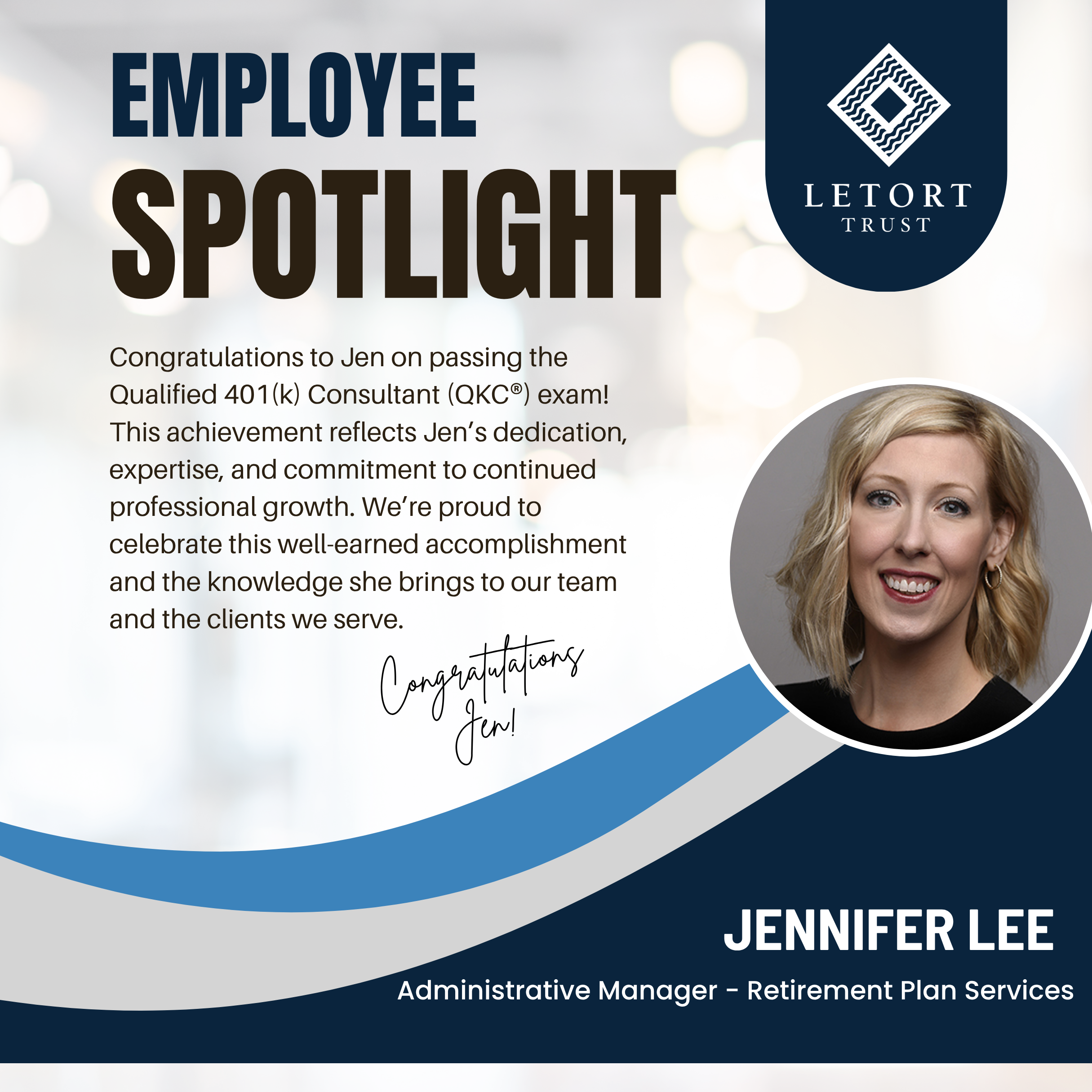
Congratulations to Jennifer Lee, Administrative Manager – Retirement Plan Services, on passing the Qualified 401(k) Consultant (QKC) exam! This achievement reflects her dedication, expertise, and commitment to continued professional growth. We’re proud to celebrate this well-earned accomplishment and the knowledge Jen brings to our team and the clients we serve.

LeTort Trust Announces Team Promotions
We are pleased to announce several promotions at LeTort Trust. Their expanded roles reflect their proven leadership in integrating our wealth management expertise to deliver a highly collaborative, well-rounded client experience. Please join us in celebrating our promoted team members: Gregory Campbell: Chief Operating Officer Robin Burnhisel: Senior Relationship Manager –… Read more
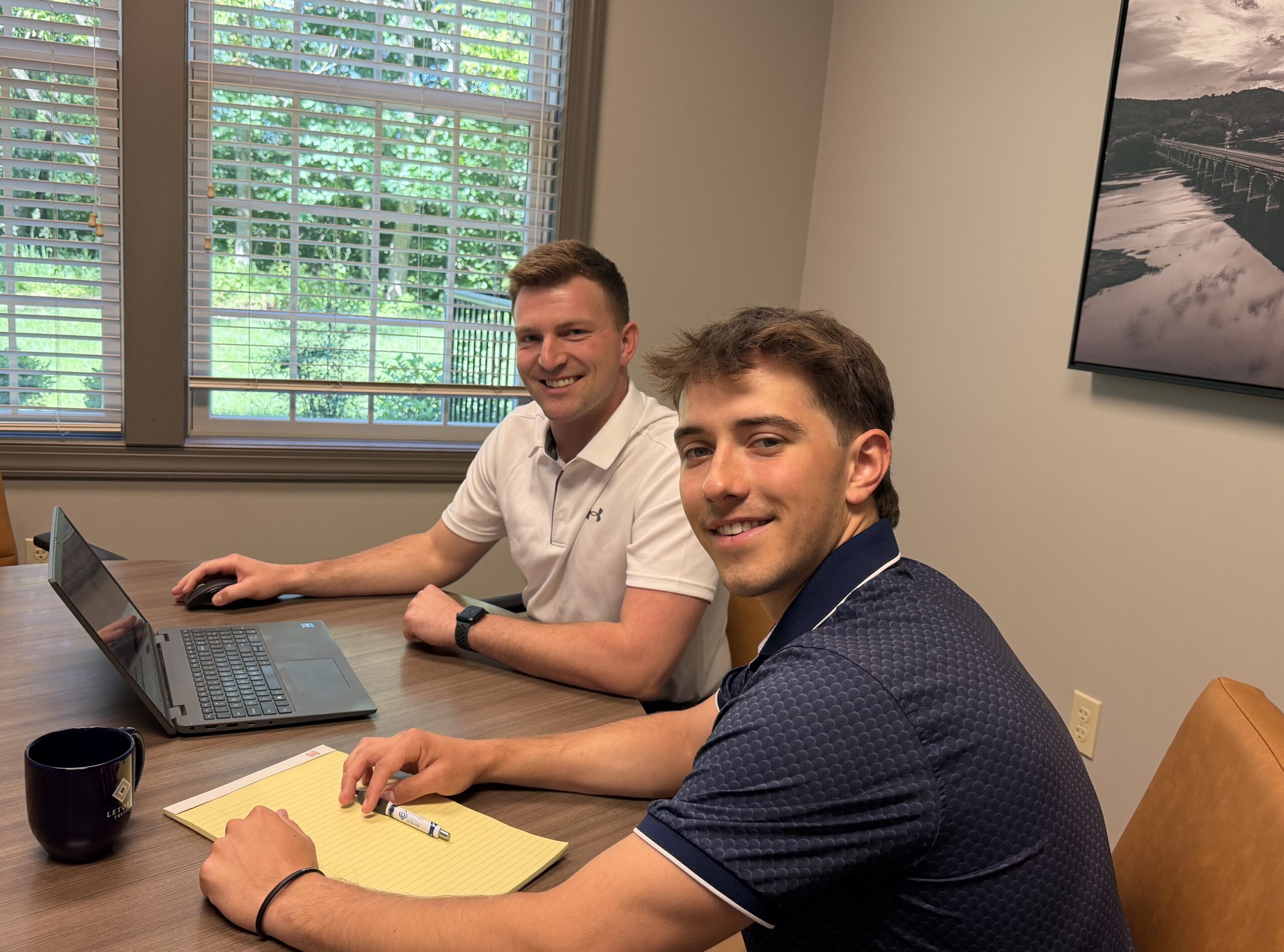
LeTort Trust Welcome Seth Wildasin as Summer Intern
The LeTort team is happy to welcome Seth Wildasin, a Finance and Accounting major in the Class of 2028 at the Smeal College of Business at Penn State University, as an intern! Seth brings a strong academic foundation and a passion for learning. Outside the classroom, he is an active member of the Club Baseball… Read more
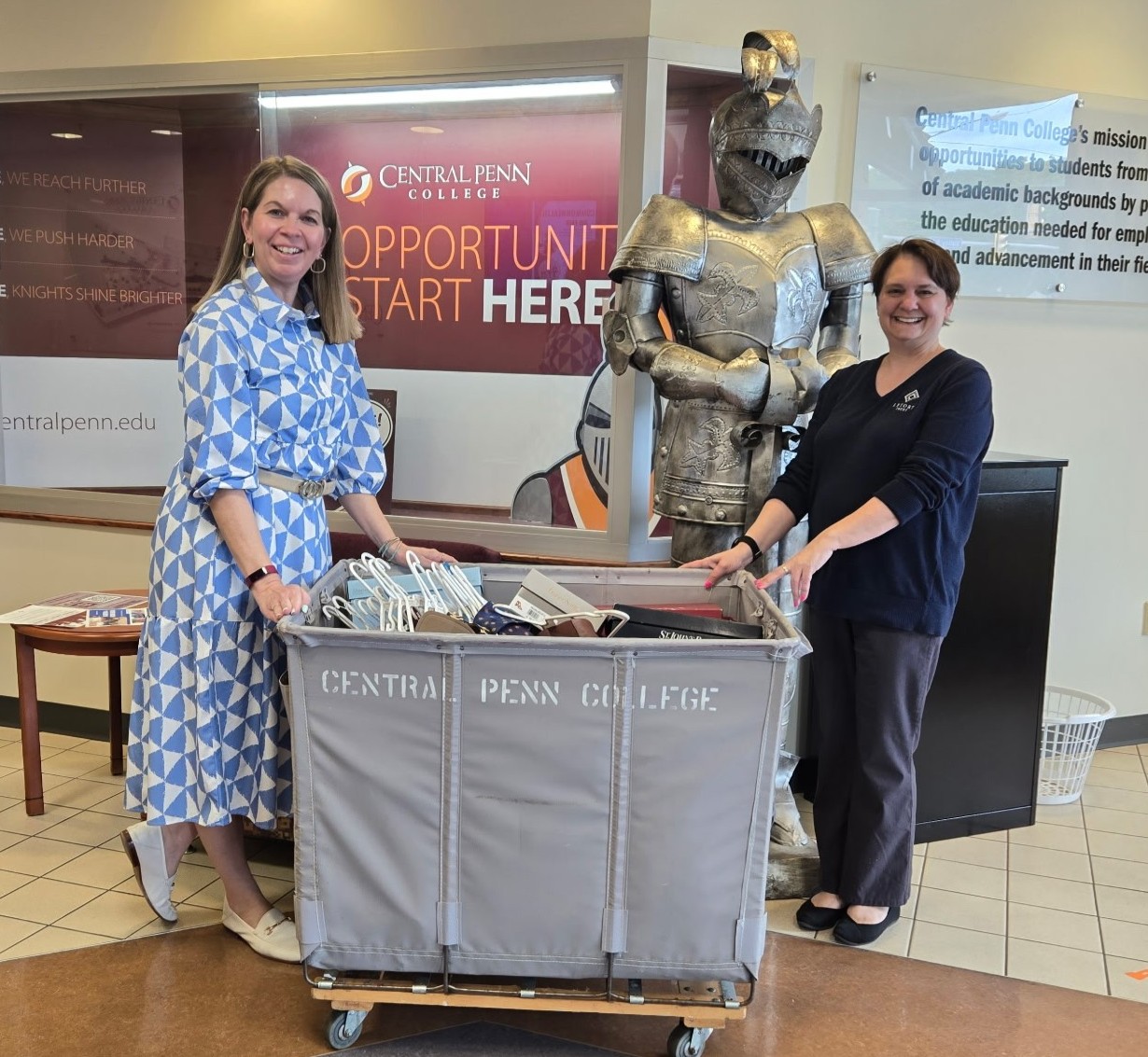
LeTort Trust Supports Career Closet & Dress for Success
As part of our 25 Give Backs Campaign, the LeTort team was honored to support members of our community preparing to enter or re-enter the workforce by donating 120+ items of professional clothing for men and women to two meaningful organizations: Dress For Success South Central PA and Central Penn College‘s Career Closet. Central Penn’s… Read more
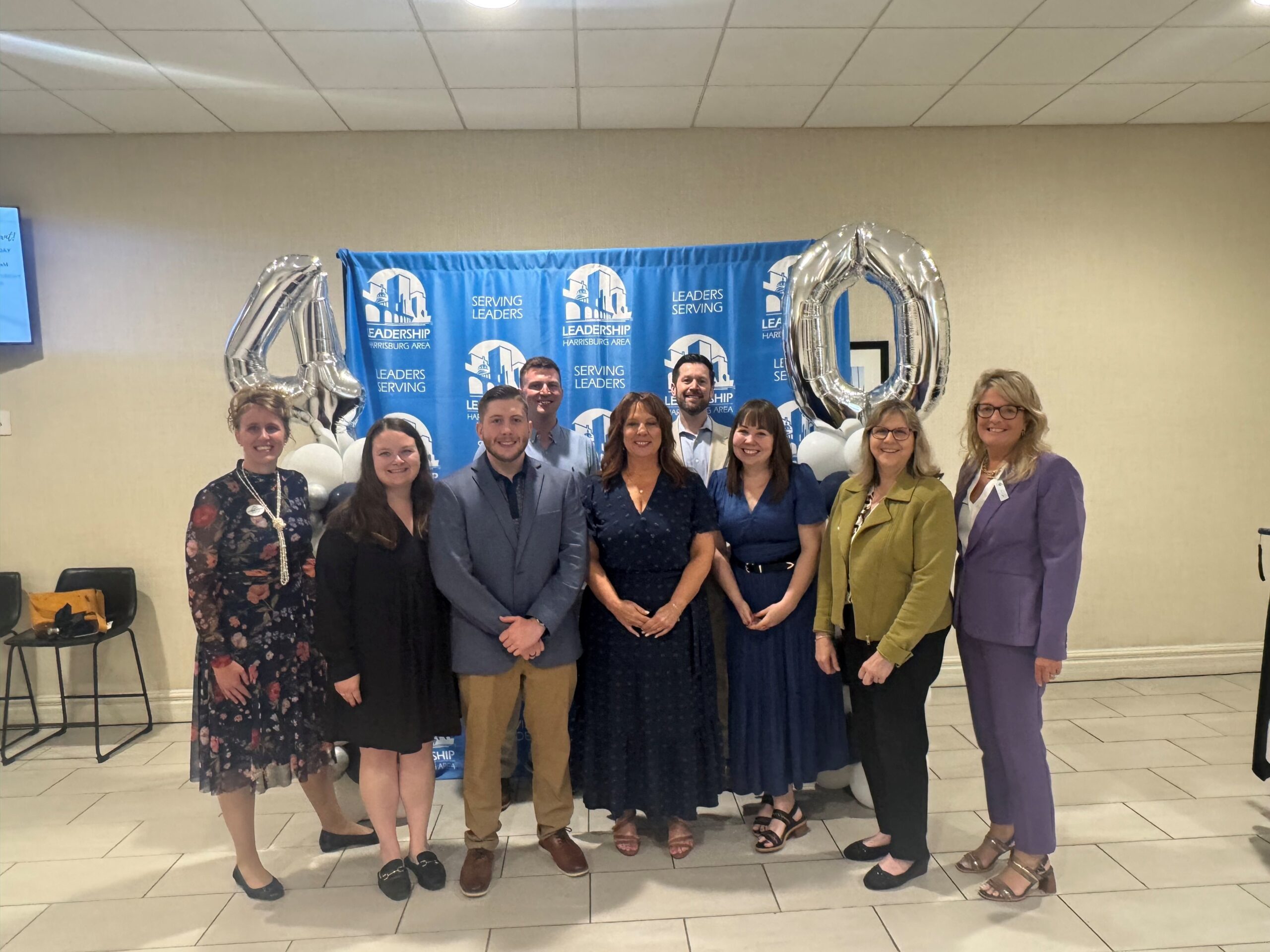
Robin Burnhisel & Nick Schwartz Graduate from Leadership Harrisburg Area Programs
LeTort Trust is proud to celebrate that Robin Burnhisel, Family Wealth Relationship Manager and Nick Schwartz, In-House Counsel – Director of Fiduciary Services, recently graduated from Leadership Area Harrisburg’s Community Leadership Series and Executive Leadership series, respectively. The Community Leadership Series is a 9 month, 100+ hour educational and experiential course where participants gain hands-on… Read more